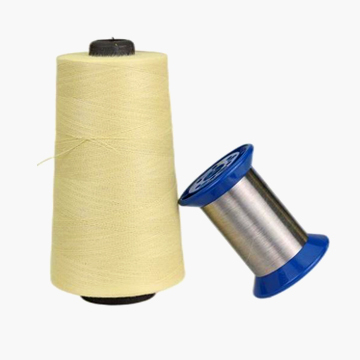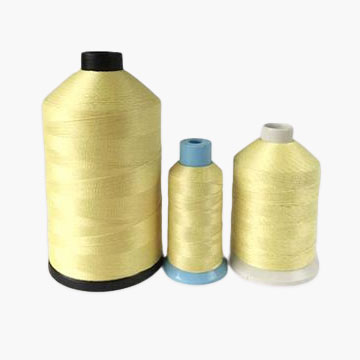
Aramid Webbing
Core Performance
Ultra-high Strength:
The tensile strength of para-aramid 1414 is 6 times that of steel wire, with a modulus 2-3 times that of steel wire, and a density only 1/5 of steel. For example, Kevlar webbing does not decompose at 560℃ and can operate stably in the temperature range of -196℃ to 330℃ for a long time.
Excellent Flame Retardancy:
has self-extinguishing properties, with a Limiting Oxygen Index (LOI) exceeding 28%. It does not drip when burning and meets international flame retardant standards such as EN ISO 11612.
Chemical Stability:
Resistant to acids and alkalis, suitable for extreme environments.
Picture

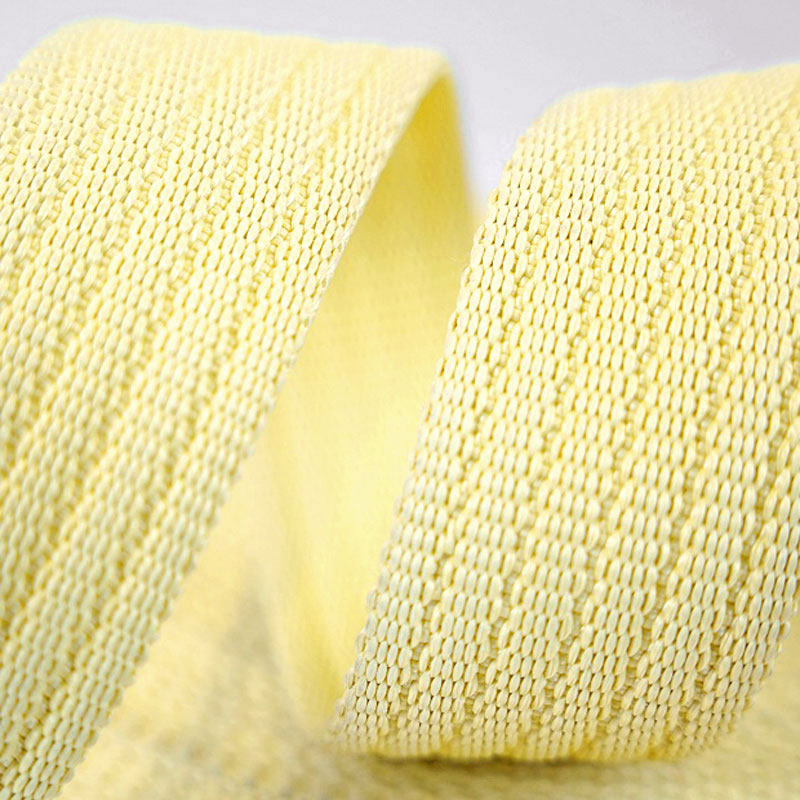
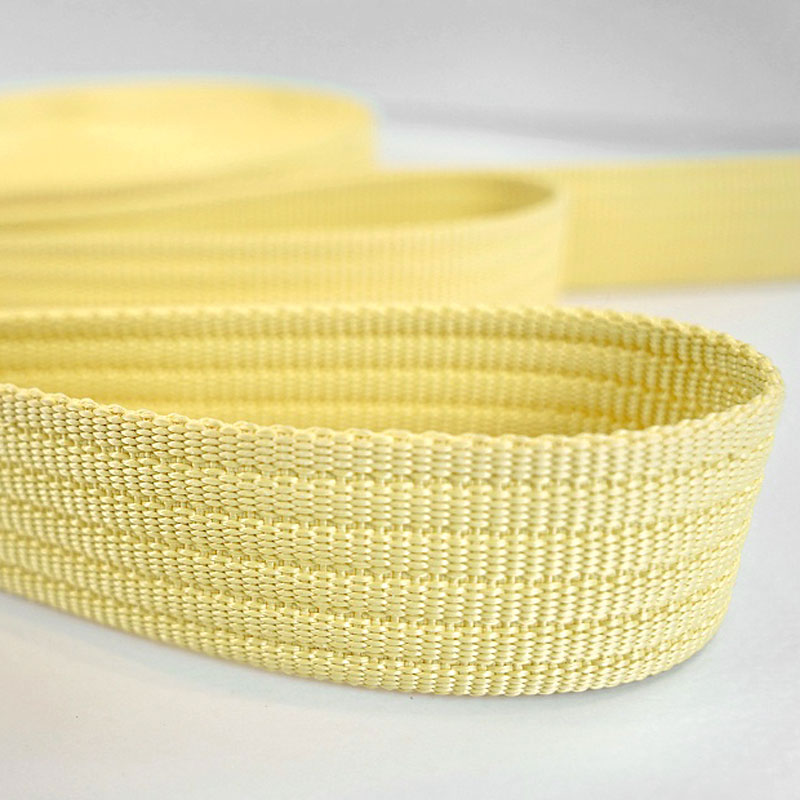
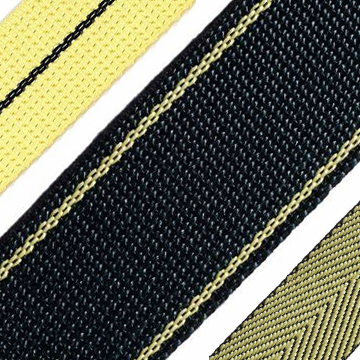
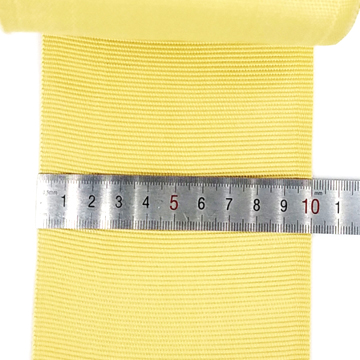
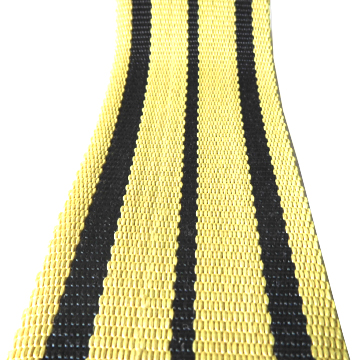
Specifications
| Width (mm) | Thickness (mm) | Breaking strength (Kn) |
|---|---|---|
| 8 ~ 220 (Support customization) | 0.5 ~ 8 (Support customization) | Support customization |
Application Fields and Typical Cases
National Defense and Safety Protection
1. Bulletproof Equipment: Para-aramid webbing is used in bulletproof vests and helmets. Its lightweight design reduces the individual soldier’s load by more than 30%. For example, the annual purchase volume of bulletproof vests for Chinese police has increased by 12%, driving the demand for aramid webbing.
2. Military Engineering: Carrier-based aircraft arresting cables and missile shell reinforcement materials adopt aramid composites, which can withstand extreme impacts.
Aerospace and High-end Manufacturing
1. Structural Components: Aramid-reinforced composites are used in the wings and fuselage of the C919 large aircraft, achieving significant weight reduction effects.
2. High-temperature Resistant Components: The identification tapes in the aircraft engine compartment can withstand 150℃ hot oil flushing for 3 years, with a strength attenuation of less than 5%.
3. Satellites and Rockets: Aramid webbing is used in thermal insulation layers and binding structures, maintaining stability in space radiation and ultra-low temperature environments.
Industrial and Energy Fields
1. High-temperature Conveyor Belts: Meta-aramid webbing replaces traditional rubber belts in the steel and glass industries, capable of withstanding temperatures above 300℃ and extending service life by 3 times.
2. New Energy Applications: Aramid is used in wind turbine blade reinforcement layers and high-pressure hydrogen storage tank fiber winding layers to improve fatigue resistance and safety. For example, the demand for fireproof interlayers in new energy vehicle battery packs in China increased by 15% in 2024.
Consumer and Special Scenarios
1. Automotive Industry: Seat belts and brake pads use aramid to improve strength and wear resistance, and automakers such as Tesla have adopted related technologies.
2. Smart Wearables: Aramid webbing integrated with RFID chips is used in medical wristbands and asset tracking, combining protection and data transmission functions.
3. Sports Goods: High-end bicycle tires and golf clubs adopt aramid reinforcement to improve lightweight performance and rigidity.